
Olympic swimming pools are designed with specific dimensions and characteristics to meet the rigorous standards for international swimming competitions. Understanding the depth of an Olympic swimming pool is essential for grasping its role in competitive sports. The design, length, and depth of these pools make them suitable for athletes to perform at their highest level.
This article will delve into the ideal depth of an Olympic swimming pool and why it matters for athletes and spectators alike. We will also explore various aspects of Olympic pools, including the regulations set by swimming organizations, the reasons behind the pool’s depth, and the physics of swimming in such a pool.
The Standard Depth of an Olympic Swimming Pool
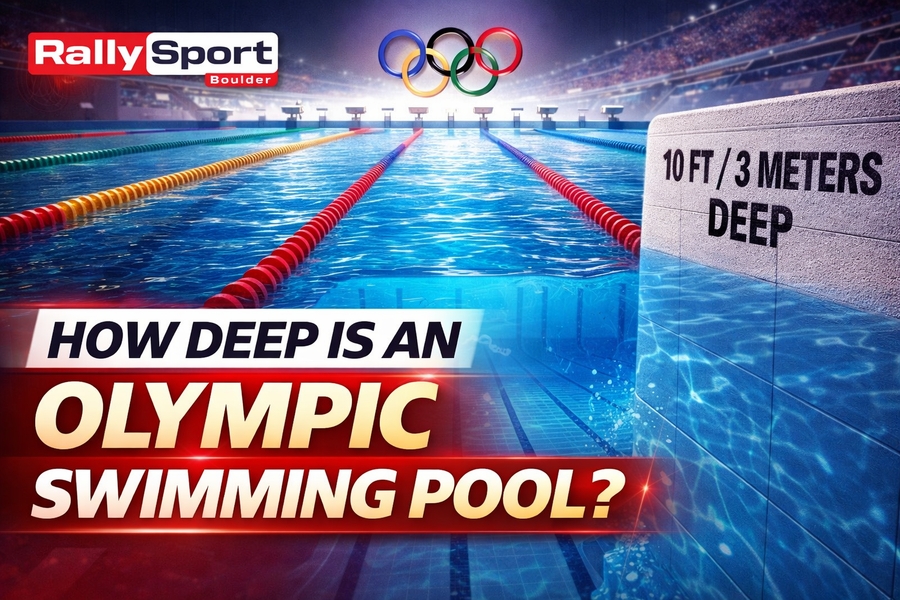
An Olympic swimming pool has a standardized depth to meet the needs of professional athletes and adhere to global competition standards. The depth of an Olympic pool typically ranges from a minimum of 2 meters to a recommended depth of 3 meters for multi-discipline use, including swimming, diving, and water polo. This depth is crucial for reducing water turbulence and ensuring athletes’ safety while maintaining optimal performance.
Moreover, the pool’s dimensions are standardized at 50 meters in length and 25 meters in width, with 10 lanes, each 2.5 meters wide. It also holds approximately 660,000 gallons (or 2.5 million liters) of water, making the depth essential for proper water balance and flow.
The deeper the pool, the less the water surface moves, which minimizes turbulence and resistance for competitive swimmers. Pools with depths of 2 meters or more provide a more stable environment for athletes to race at their best.
Why Depth Matters for Competitive Swimming
The depth of the pool plays a significant role in the performance of swimmers. Deeper pools reduce surface turbulence, which is a crucial factor for competitive swimmers. A pool that is too shallow can create waves and ripples that increase resistance and slow down swimmers, preventing them from reaching their maximum speed.
Having the proper depth also ensures that swimmers can perform turns, dives, and underwater movements without hitting the bottom of the pool. This is why pools used for competitions are designed with a minimum depth of 2 meters to allow athletes to perform these movements safely and efficiently.
Furthermore, a pool depth of 2 meters or more ensures that the water remains stable, reducing the impact of swimmer movements on the overall water flow. This stability is important to prevent unwanted disturbances in the water, ensuring swimmers can maintain optimal speed. Understanding these factors can help in designing and planning ideal swimming pools for athletes.
Additional Design Considerations for Olympic Pools
Aside from depth, several other design features make Olympic swimming pools ideal for international competitions. The pools are designed to minimize water turbulence. For example, buffer lanes are added to the sides of the pool to help reduce the waves created by the swimmers.
The temperature of the water is also controlled to remain between 25°C and 28°C (77°F and 82°F), which helps swimmers maintain peak performance without the risks of hypothermia or overheating. In addition, the pool must meet the lighting and visibility requirements to ensure clear and precise observation during races.
While the standard pool depth is designed for swimmers, other disciplines like diving and water polo have specific modifications. For example, a diving pool may require deeper water to ensure that athletes can safely perform high dives from significant heights.
US Youth Soccer Coaching License: The Role of Swimming in Physical Training
Swimming plays a critical role in the physical conditioning of athletes across various sports, including soccer. The physiological benefits of swimming, such as improved cardiovascular health and endurance, make it an excellent cross-training activity for athletes pursuing other sports. The US youth soccer coaching license program emphasizes the importance of well-rounded training for young athletes, including incorporating swimming into their routines. Swimming helps develop muscle strength, flexibility, and overall athletic performance.
As soccer players benefit from the cross-training of swimming, swimmers can also gain strength and flexibility from sports like soccer, which require agility, speed, and precise coordination. Thus, swimming remains a crucial part of many athletic training regimens.
The Physics of Swimming in a Deep Pool
The depth of the pool also affects the physics of swimming. Deeper water provides less surface turbulence, which helps swimmers achieve a smooth and efficient stroke. Shallow pools, on the other hand, tend to have higher turbulence, creating resistance and slowing swimmers down.
When swimmers dive into deep water, they can achieve a more streamlined entry, reducing drag and increasing speed. This efficiency is particularly important in races like the 100-meter and 200-meter freestyle, where milliseconds can make a significant difference. The depth of an Olympic pool ensures that swimmers can perform their dives without hindrance.
Additionally, deeper pools help with the buoyancy of swimmers, allowing them to float easily while reducing the drag from the water. This is crucial for elite swimmers who rely on optimal buoyancy to maximize their speed and efficiency in the water.
The Evolution of Olympic Swimming Pool Depths
Historically, the depth of Olympic swimming pools varied, but over time, the standards have evolved to ensure the best performance for swimmers. In the early days of competitive swimming, pools were often much shallower, leading to turbulent water and less predictable race outcomes. As the sport progressed, the need for standardized depths became evident.
Today, pools are built to adhere to the regulations set by the International Swimming Federation (FINA) and other governing bodies, ensuring fair competition for all athletes. The standard depth of 2 meters, with 3 meters being the recommended depth, helps eliminate discrepancies and creates a level playing field for swimmers worldwide.
Comparing Olympic Pools to Other Pools
While Olympic swimming pools have specific depth requirements, other pools, such as recreational or private pools, may vary in depth based on their intended use. Many residential pools, for example, may be much shallower, typically ranging from 1.2 to 1.5 meters in depth. These depths are perfect for recreational swimming but not suitable for competitive swimming or diving.
A recreational pool, for instance, is usually designed for ease of use and relaxation. These pools typically have depths that allow swimmers to stand and walk comfortably. On the other hand, Olympic pools are designed for maximum performance and to meet the highest standards of international competition.
Depth and Water Polo
Water polo is another sport that uses Olympic swimming pools. While the depth of the pool is vital for the speed and performance of swimmers, water polo requires additional considerations. Water polo players need a pool depth of at least 2 meters to ensure they can play the game safely.
The deeper water allows players to move freely without touching the bottom, maintaining a high level of skill and agility. Water polo players are expected to swim and maneuver quickly in deep water, which means the pool’s depth is essential for their gameplay.
The Role of Depth in Diving Events
Diving events have their own set of requirements when it comes to pool depth. For Olympic diving competitions, the pool depth must be at least 5 meters deep to ensure the safety of divers. This depth allows divers to perform high dives from platforms as high as 10 meters while maintaining a safe distance from the pool’s bottom.
The additional depth ensures that divers have enough room to complete their dives and enter the water safely. As a result, diving pools are typically separate from swimming pools, with deeper depths to accommodate the needs of athletes.
Why Is the Depth of an Olympic Swimming Pool So Important?
The depth of an Olympic swimming pool is crucial for both the safety and performance of athletes. A pool that is too shallow can lead to dangerous situations for swimmers, while a deeper pool provides the necessary conditions for optimal performance. The 2-meter depth ensures that swimmers can dive and move through the water without interference, while the recommended 3-meter depth minimizes surface turbulence, providing a smoother race environment.
This depth allows for fair competition, reduces drag, and improves the overall efficiency of the swimmers. Ultimately, the depth of an Olympic swimming pool is designed to give athletes the best possible conditions to perform at the highest level.
Conclusion
In conclusion, the depth of an Olympic swimming pool is carefully designed to ensure the best possible conditions for swimmers. With depths ranging from 2 to 3 meters, these pools provide a stable, efficient environment for competitive swimming, diving, and water polo. The importance of depth cannot be overstated, as it affects everything from water turbulence to swimmer safety.
As athletes continue to push the boundaries of their performance, the design and specifications of Olympic swimming pools will evolve to meet their needs. The depth of the pool will always remain a critical factor in creating a level playing field for swimmers around the world.